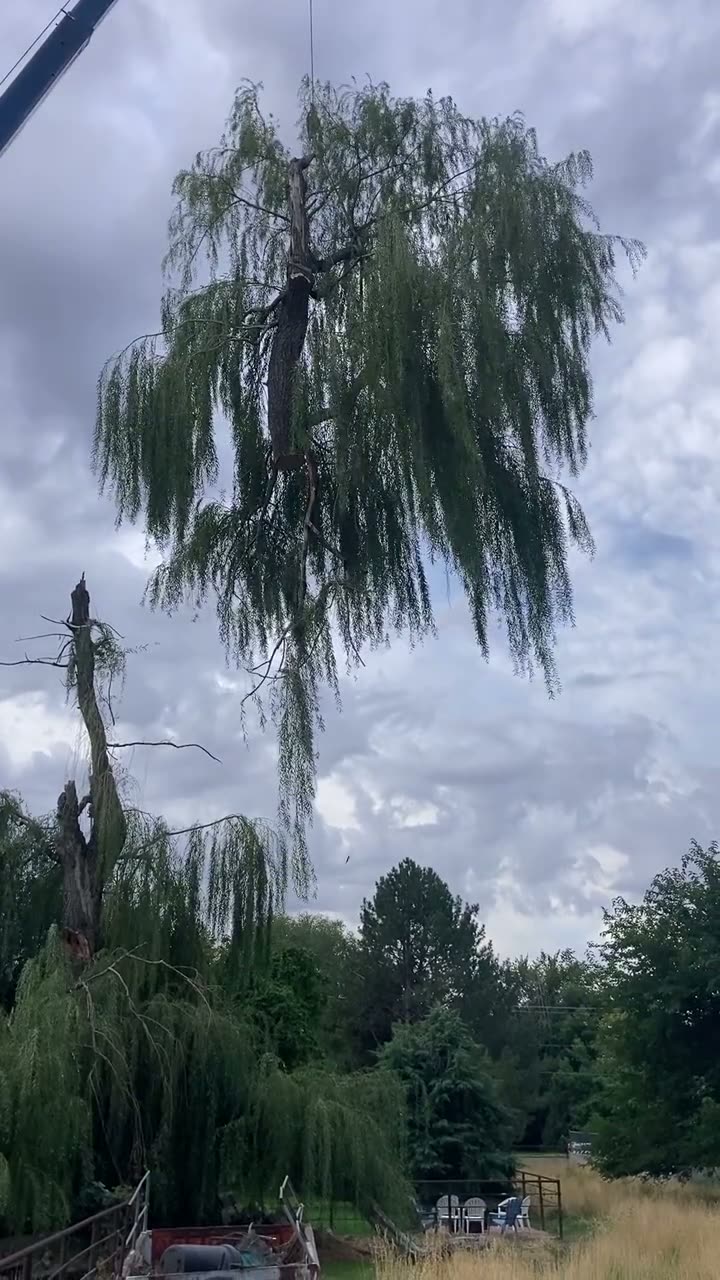
Utah presents a unique environment for landscape trees. Between cold winters, hot and dry summers, and heavy alkaline clay soils, trees along the Wasatch Front often experience stress that leaves them vulnerable to disease. In Davis and Weber Counties, catching a fungal or bacterial infection early can mean the difference between saving a prized shade tree with targeted pruning or having to remove it entirely once structural damage sets in.
One of the most frequent problems we see in yards across Layton, Kaysville, and Clearfield is fire blight. This bacterial disease primarily targets members of the rose family, including ornamental pears, crabapples, apples, and hawthorns. Fire blight moves fast during warm, damp spring days. The most obvious sign is blackened, shriveled foliage and shoots that look as though they were scorched by a blowtorch. Infected young twigs often bend sharply at the tip, forming what arborists call a 'shepherd’s crook.' If left unchecked, fire blight can travel down into the main scaffold branches and trunk, creating cankers that kill the limb.
Another widespread issue in northern Utah is Cytospora canker, which frequently attacks stressed poplars, willows, aspens, and Colorado blue spruces in towns like Roy and Syracuse. On spruces, the disease often starts near the bottom of the tree and works its way upward. You might notice lower branches losing needles, followed by a heavy, white, crusty resin oozing from the bark. On broadleaf trees like aspens and poplars, Cytospora forms sunken, discolored patches of bark that girdle the branch, cutting off water to the leaves above.
Leaf spot diseases, including anthracnose and powdery mildew, also show up reliably when spring weather stays cool and wet. Powdery mildew coats leaves with a pale, talcum-like film, especially on lilacs and maples tucked into shady or crowded corners of a yard. Anthracnose causes irregular brown blotches along leaf veins and can trigger early leaf drop. While these foliage diseases rarely kill a mature tree outright in a single season, year after year of premature defoliation weakens the tree's natural defenses, leaving it open to more aggressive wood-decay fungi and boring insects.
Below the surface, root rot diseases present an insidious threat, particularly where landscape irrigation is poorly managed. Heavy clay soil combined with overwatered turf creates an oxygen-deprived environment where fungal pathogens like Phytophthora thrive. Trees suffering from root rot gradually decline over several seasons. Look for stunted spring growth, yellowing foliage, sudden canopy thinning, or clusters of mushrooms sprouting directly out of the root flare at the base of the trunk. Once root systems are severely compromised, a tree loses both its ability to take up nutrients and its physical anchoring in the soil.
Preventing and managing disease often comes down to timing and proper tree trimming and pruning. Thinning out dense canopies allows wind and sunlight to penetrate, which dries out leaves and drastically reduces fungal spores from germinating. When pruning out diseased wood—such as fire blight strikes—it is critical to cut well below the visibly damaged area and sanitize cutting tools between cuts so infection does not spread to healthy limbs. Proper dormant pruning during late winter also gives trees a fresh start before pathogens become active in spring.
Sometimes, however, an infection has progressed too far into the main trunk or root structure. Dead, decayed limbs become brittle and pose a severe hazard during high canyon winds and winter snowstorms. In these cases, proactive tree removal is the safest course of action to protect your home, vehicles, and neighboring yards. Following up removal with thorough stump grinding helps eliminate the remaining infected stump and large root fragments, preventing fungal organisms from persisting in the soil and spreading to new plantings.
Jerid's Tree Service is a family-run business based in Clearfield, handling everything from routine tree trimming and pruning to complex large tree work, storm cleanup, and land clearing throughout Davis and Weber Counties, as well as surrounding communities. If a tree in your yard looks discolored, thinning, or stressed, give us a call or text to request a free quote, and we will be happy to take a look.
Call or text for a free quote or emergency tree service across Davis and Weber Counties.
Call 801-513-3460Get a free, no-pressure quote
We'll come look at the tree, tell you honestly what it needs, and give you a firm price. Call or text today.