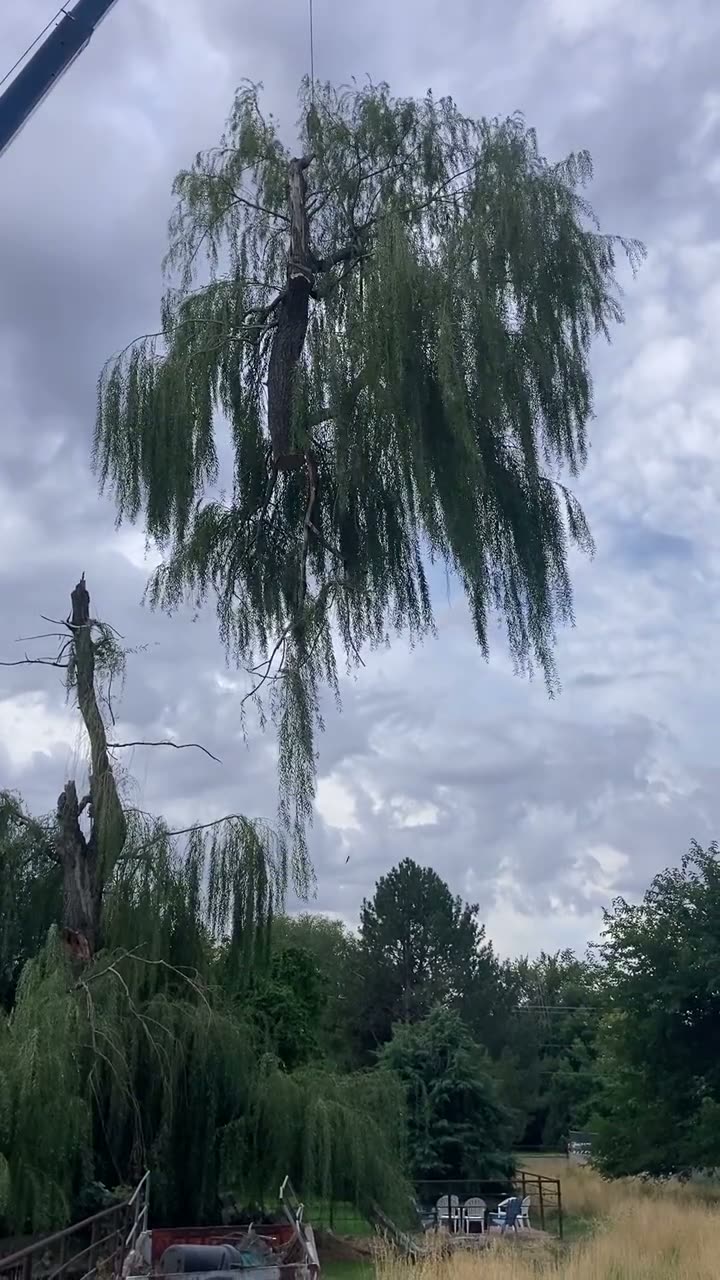
Summer along the Wasatch Front brings weeks of 90-plus degree days, low humidity, and dry canyon breezes. For homeowners from Layton and Kaysville up to Roy and Ogden, keeping grass green is tough enough, but yard trees often shoulder the burden of heat stress in silence. In our arid Utah climate, both native shade trees and introduced ornamentals need intentional care to make it through long dry stretches. Understanding how watering, mulching, and soil health work together can make the difference between a flourishing canopy and a stressed tree that declines over time.
The most common mistake we see across Davis and Weber Counties is relying strictly on lawn sprinklers to hydrate mature trees. Turf grass has shallow roots that gobble up quick, frequent morning cycles, leaving very little moisture for the deeper root systems of trees. Trees thrive on slow, deep watering that penetrates 12 to 18 inches into the ground. Instead of running lawn zones longer, lay a soaker hose or drip line out near the tree's drip line—the circular perimeter directly beneath the outermost branch tips. Letting water trickle slowly for a couple of hours every week or two during peak summer allows moisture to reach the feeder roots without pooling or running off.
Soil condition plays an equally large role in how effectively your tree absorbs that water. Northern Utah soils, particularly in communities like Clearfield and Syracuse, often swing between dense clay and rocky, gravelly loam near the bench. Heavy clay holds water tightly, which can suffocate roots if saturated, while gravelly soil lets water drain away before roots can drink. On top of that, Utah soils tend to be alkaline, which locks up micronutrients like iron. Introducing organic material is the best way to improve both soil types over time. As organic mulch slowly breaks down, it loosens hard clay, helps sandy dirt retain moisture, and feeds beneficial soil microbes.
Applying a clean layer of wood chips is one of the easiest, most cost-effective defenses against harsh summer sun. A three- to four-inch layer of natural mulch over the root zone keeps soil temperatures significantly cooler and dramatically reduces evaporation. The critical detail is application technique. Never build a "mulch volcano" piled against the trunk. Stacking wood chips directly on the bark traps moisture, inviting fungal decay, rot, and boring insects right at the root flare. Always leave a four- to six-inch buffer of bare dirt around the base of the trunk, spreading the mulch outward like a flat donut.
Keeping a close eye on foliage through July and August helps you catch drought stress before it leads to permanent damage. Watch for early leaf curling, yellowing between leaf veins, scorched brown margins, or premature leaf drop. Drought-stressed trees quickly lose their natural defenses, leaving them vulnerable to pests and disease. In many cases, structural trimming and pruning to remove deadwood, broken limbs, and crowded branches relieves unnecessary burden on the root system while keeping the canopy balanced.
Neglecting summer tree care can turn a valuable shade provider into an unexpected safety hazard. Severely dried-out root systems lose their anchor strength in the dirt, increasing the likelihood of whole-tree failure during sudden gust fronts, often leading to emergency storm cleanup. When a tree declines beyond recovery, safe tree removal and stump grinding are essential to keep your property, roof, and utility lines protected. For larger residential lots or new builds, thoughtful land clearing helps preserve the root zones of mature trees so they remain healthy through future building and landscaping phases.
At Jerid's Tree Service, we are a family-run team based in Clearfield, serving homeowners throughout Davis County, Weber County, and neighboring areas. Whether your yard needs routine trimming and pruning, an assessment of an ailing shade tree, complex large tree work, or total removal, we provide honest advice and dependable service. If you have questions about your trees this summer, give us a call or send a text anytime to request a free, no-pressure quote.
- What to Expect from Stump Grinding: A Guide for Utah Homeowners
- Trimming vs. Removal: How to Know What Your Utah Tree Needs
- How Utah Windstorms Damage Yard Trees (And How to Protect Them)
- A Utah Homeowner's Guide to Seasonal Tree Care and Warning Signs
- Common Utah Yard Trees: How They Grow and What to Expect
- The Hidden Dangers of Leaving an Unsafe Tree Standing Near Your Home
Call or text for a free quote or emergency tree service across Davis and Weber Counties.
Call 801-513-3460Get a free, no-pressure quote
We'll come look at the tree, tell you honestly what it needs, and give you a firm price. Call or text today.