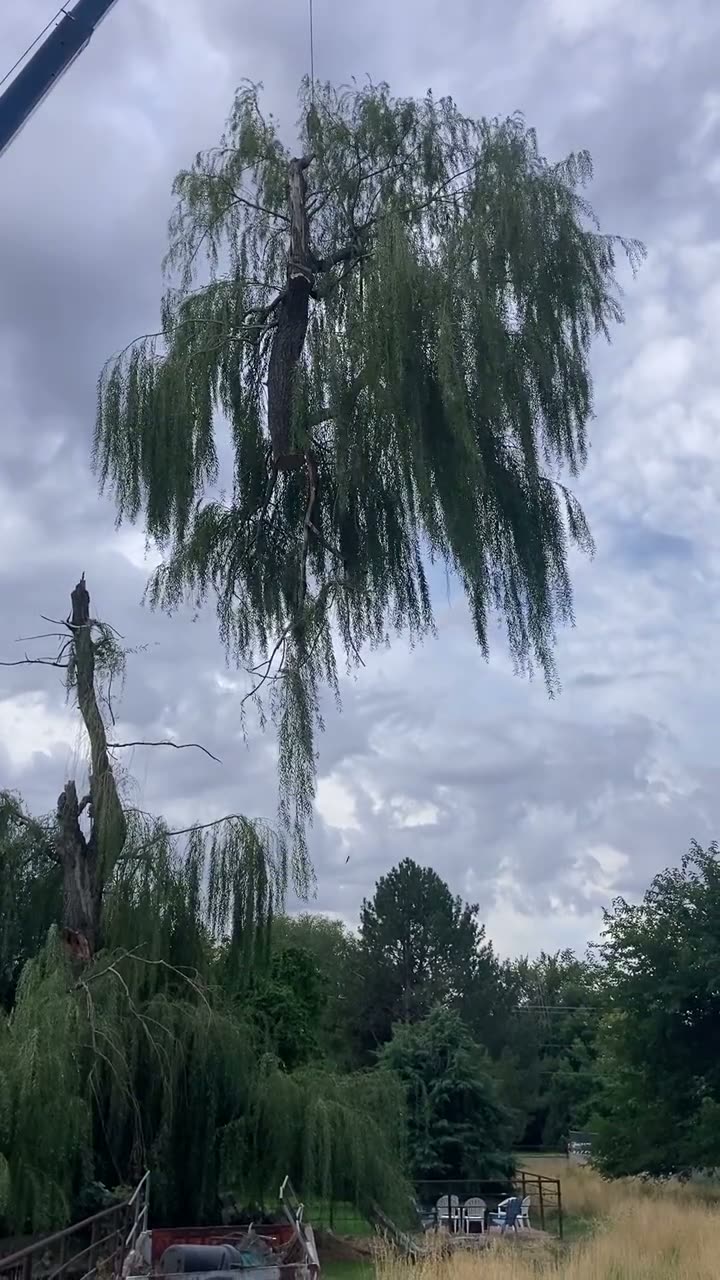
Living along the Wasatch Front means dealing with sudden, intense weather throughout the year. From easterly canyon winds rushing into Kaysville and Layton to violent summer microbursts sweeping across Syracuse and Roy, our trees face exceptional stress. Many homeowners don't realize their trees are vulnerable until heavy gusts snap a major limb or topple a trunk onto a fence, roof, or driveway. Understanding why and how storms break trees is the best way to safeguard your property before the next severe weather warning arrives.
Wind damage rarely happens purely by chance. In most cases, severe gusts exploit structural flaws that have developed quietly over several seasons. Dense, overgrown canopies act like giant sails, catching the full force of 60-mile-per-hour winds instead of allowing the air to filter safely through the branches. Trees with narrow, V-shaped branch unions or co-dominant stems—where two main trunks compete from the same base—are especially prone to splitting down the middle under heavy wind loads. When the upper canopy carries too much weight, the stress on those weak attachment points multiplies dramatically.
Another major contributor to storm damage in Utah is soil condition. Saturated ground following an early spring thaw, rapid snowmelt, or heavy autumn rain weakens the soil's grip on root systems. When high winds hit waterlogged earth, mature trees with shallow or compromised root zones can uproot entirely. Roots weakened by nearby construction, trenching, or long-term drought simply cannot anchor the tree against strong lateral pressure. Once a tree leans noticeably or heaves the soil at its base after a gale in Ogden or Clearfield, the root plate has likely failed, making failure an immediate concern.
Late spring and early autumn snowstorms present another distinct challenge across Davis County and Weber County. When heavy, wet snow piles onto trees that still carry their full summer leaves, the added weight bends branches to their absolute limits. Add a sudden burst of canyon wind to that equation, and even otherwise healthy limbs can crack and tear away. Fast-growing species with brittle wood, such as Siberian elms and silver maples, are notorious for shedding large limbs under these mixed weather conditions.
The good news is that routine preventive care dramatically lowers the odds of catastrophic tree failure during bad weather. Professional trimming and pruning is not just about shaping a canopy; it is about reducing wind resistance and balancing weight. By thinning dense branch clusters and removing dead, dying, or rubbing limbs, you allow fierce winds to pass freely through the crown. Selectively reducing heavy end-weight on long limbs and correcting structural defects while trees are manageable prevents massive splits down the road.
Sometimes, regular pruning is not enough to make a severely compromised tree safe. If an old tree has internal decay, extensive hollows, or an aggressive lean toward a home or garage, proactive tree removal is often the most practical choice. Addressing hazardous trees on your own schedule prevents costly emergency repairs and structural property damage during a storm. Once a compromised tree is down, stump grinding clears out the leftover wood beneath the surface so you can reclaim the yard or replant in a better spot.
Large tree work requires proper rigging, experience, and careful planning, especially in tight residential lots where buildings and utility lines are close by. When storms do strike unexpectedly, prompt storm cleanup helps restore order and removes dangerous dangling branches—often called hangers—that remain suspended overhead. For property owners developing parcels or managing overgrown acreage, broader land clearing can also eliminate hazard-prone stands of timber before construction begins.
Preparing your yard before the wind picks up is always easier and less stressful than dealing with damage after the fact. Whether you need crown thinning on a mature shade tree, dead branch removal, or an honest assessment of a leaning trunk, Jerid's Tree Service is here to help homeowners across Clearfield and neighboring communities. Give us a call or send a text today to get a free, low-pressure quote on your tree care needs.
- What to Expect from Stump Grinding: A Guide for Utah Homeowners
- Summer Tree Care in Utah: Watering, Mulch, and Soil Health Tips
- Trimming vs. Removal: How to Know What Your Utah Tree Needs
- A Utah Homeowner's Guide to Seasonal Tree Care and Warning Signs
- Common Utah Yard Trees: How They Grow and What to Expect
- The Hidden Dangers of Leaving an Unsafe Tree Standing Near Your Home
Call or text for a free quote or emergency tree service across Davis and Weber Counties.
Call 801-513-3460Get a free, no-pressure quote
We'll come look at the tree, tell you honestly what it needs, and give you a firm price. Call or text today.