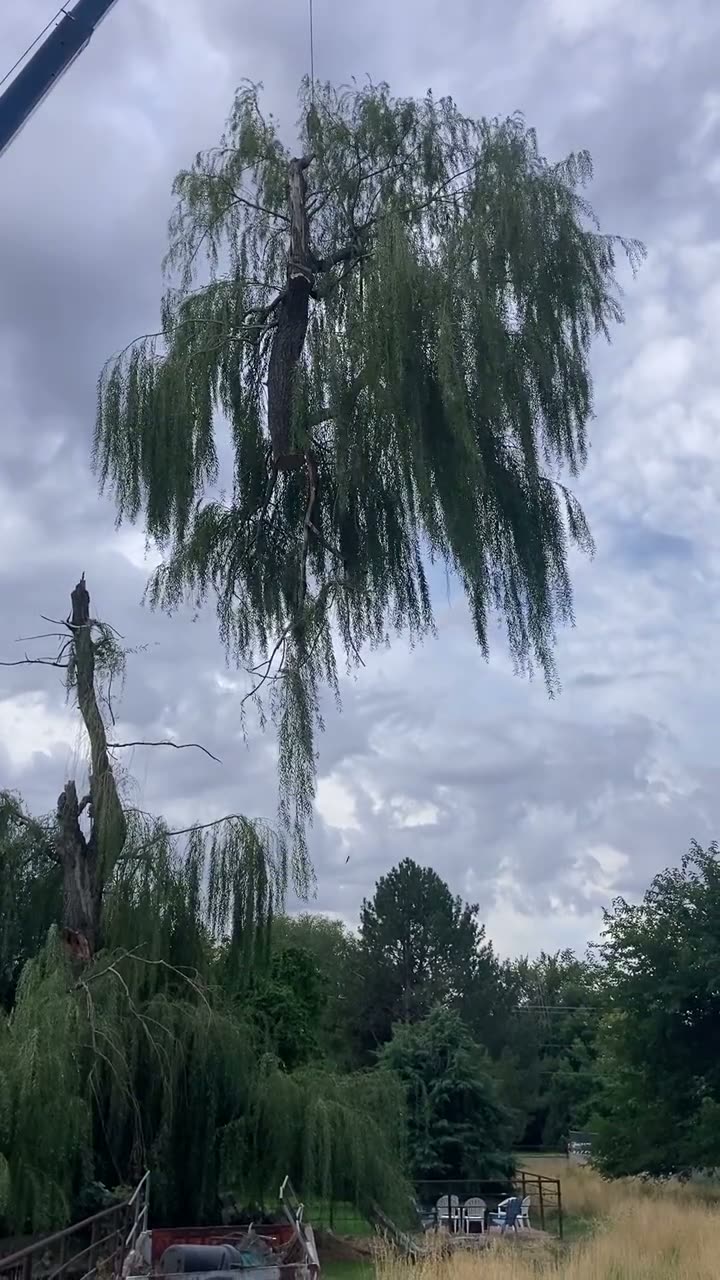
Mature shade trees define neighborhoods across Davis and Weber Counties. Whether you live under the established canopy of Kaysville or in a newer subdivision in Syracuse, healthy trees provide valuable shade through hot summers and act as natural windbreaks against Wasatch mountain gusts. But when a tree begins dropping branches, leaning, or showing bare patches in its canopy, homeowners face a tough question: can it be saved with a good prune, or does it need to come down entirely? Making the right call protects your property and helps you avoid unnecessary expenses.
In many cases, professional trimming and pruning are all a tree needs to regain its health and vigor. Deadwood, crossing branches, and heavy water sprouts sap energy from the tree and create friction wounds where pests and fungal rot can enter. Removing these dead or diseased limbs stops decay from spreading into the main trunk. Proper pruning also lifts the lower canopy away from rooftops, service drops, fences, and driveways, keeping your home clear while preserving the tree's natural shape and shade value.
Pruning is also essential for storm resistance, especially along the bench in Layton or down into Roy and Clearfield. Dense, overgrown canopies act like sails during canyon windstorms, putting immense leverage on the root system. Selective canopy thinning allows wind to filter through the crown rather than pushing against it. If a tree has developed heavy, lopsided limbs over the years, targeted weight-reduction trimming can rebalance the canopy and eliminate weak branch unions before winter snow loads or spring gusts tear them free.
However, trimming has its limits, and there comes a point where a tree needs complete tree removal because its core structural integrity is gone. If more than a third to half of the trunk is hollow, rotted, or split, the tree poses a serious fall hazard that pruning cannot fix. Clear warning signs include large fungal conks or mushrooms growing near the soil line, deep vertical cracks in the trunk, and a root plate that is visibly heaving or lifting on one side after heavy precipitation.
Severe canopy loss is another clear indicator that removal is the wiser choice. If a previous microburst or heavy wet snow sheared off the main central leader or destroyed more than half of the living crown, the tree will struggle to recover. While it may push out weak, rapid sprout growth, those new shoots will never have a strong attachment to the damaged wood underneath. In these situations, tree removal followed by thorough stump grinding allows you to reclaim your yard safely instead of nursing a declining hazard.
Location also dictates when a tree has simply outgrown its setting. A cottonwood or Siberian elm planted decades ago too close to a foundation, sewer line, or driveway in Ogden might have seemed harmless at first, but massive root systems and overhanging limbs eventually become major liabilities. Handling large tree work in tight residential yards requires specialized rigging and experience so that heavy sections can be lowered piece by piece without damaging lawns, fences, or nearby structures. For properties undergoing renovations or major landscaping changes, land clearing can address several compromised or overgrown trees in one visit.
If you are dealing with a broken trunk or hanging boughs after severe weather, immediate storm cleanup may be required to protect your home before the next front rolls through. Deciding between long-term maintenance and removal always comes down to an honest look at tree health, target hazards, and future growth. If you are unsure which option makes the most sense for your yard in Clearfield, Layton, Syracuse, or anywhere in Northern Utah, give Jerid's Tree Service a call or send us a text. We are always glad to come by, take a look, and give you a straightforward, free quote.
- What to Expect from Stump Grinding: A Guide for Utah Homeowners
- Summer Tree Care in Utah: Watering, Mulch, and Soil Health Tips
- How Utah Windstorms Damage Yard Trees (And How to Protect Them)
- A Utah Homeowner's Guide to Seasonal Tree Care and Warning Signs
- Common Utah Yard Trees: How They Grow and What to Expect
- The Hidden Dangers of Leaving an Unsafe Tree Standing Near Your Home
Call or text for a free quote or emergency tree service across Davis and Weber Counties.
Call 801-513-3460Get a free, no-pressure quote
We'll come look at the tree, tell you honestly what it needs, and give you a firm price. Call or text today.