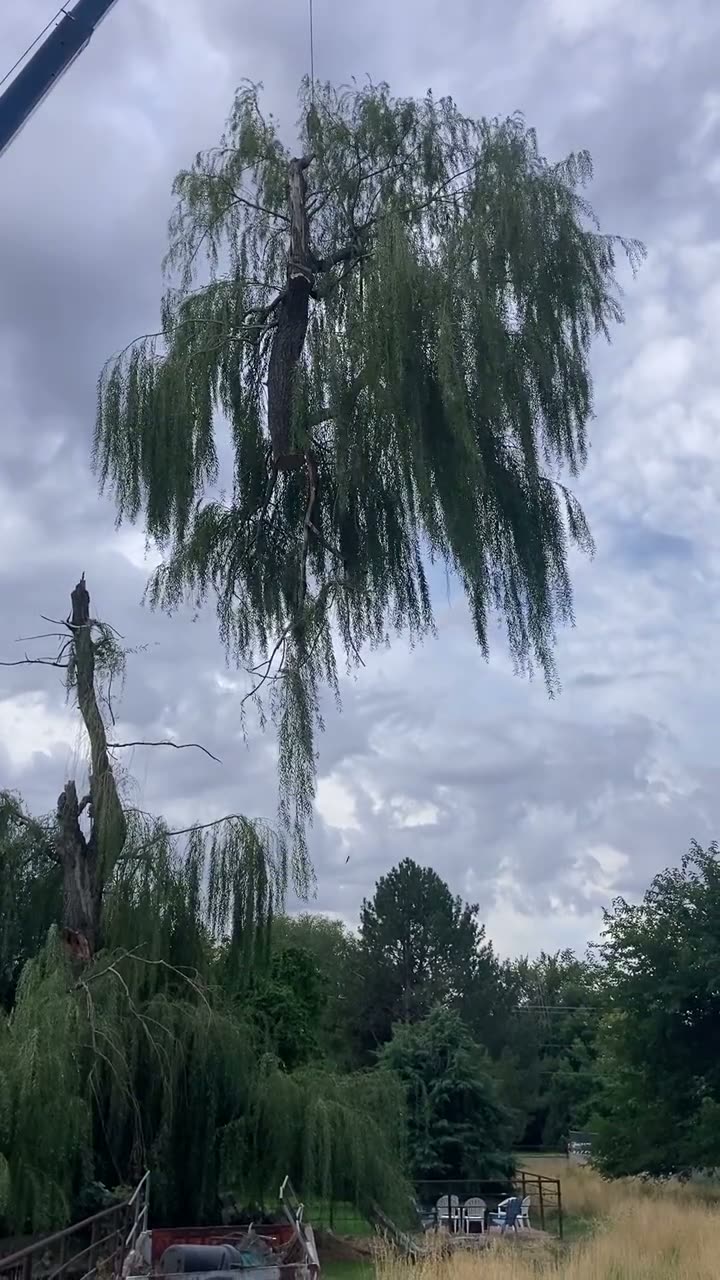
Utah weather puts yard trees through intense cycles. Between freezing winter chills along the Wasatch Front and baking triple-digit summer heat, properties in Davis and Weber Counties face a unique set of stresses throughout the year. Homeowners in communities like Clearfield, Layton, and Roy know how quickly a calm afternoon can turn into a violent canyon windstorm. Keeping your landscape healthy, resilient, and safe comes down to understanding seasonal tree care and recognizing the subtle warning signs of decay or stress before a heavy branch comes down.
Spring is the ideal time to assess how well your yard weathered the winter months. As temperatures climb in Kaysville and Syracuse, pay close attention to how your trees leaf out. A healthy tree develops uniform foliage throughout its canopy. If you notice bare patches, delayed budding on isolated limbs, or brittle twigs that snap dryly between your fingers, those are clear indicators of winter dieback. Early spring provides a great window for corrective trimming and pruning to clear away damaged wood, balance the canopy, and prepare the crown before dense summer foliage begins catching high winds.
As summer settles in across northern Utah, high heat and dry air become the primary challenges. Keep an eye out for premature leaf drop, scorched foliage margins, and sap weeping through the bark. Extended dry spells weaken a tree's natural defense systems, making it significantly more susceptible to opportunistic wood-boring pests and fungal diseases. Another summer risk along the Wasatch Front is sudden microburst storms. Cracked branch unions or heavy limbs sagging under the weight of excessive growth need immediate attention before strong gusts tear them from the trunk.
Fall tree care centers on winter prep and structural safety. Once deciduous trees drop their leaves, their framework becomes fully visible, making it much easier to spot underlying structural flaws. Look for co-dominant stems forming tight "V" shapes, deep trunk cracks, or branches hanging low over roofs, driveways, and power lines. Autumn is also the time to provide several deep, slow waterings around the root zone before the ground freezes solid. Clearing out dead or compromised limbs now prevents them from snapping under the weight of early, wet snow.
Winter presents its own set of structural hazards, particularly when heavy snow accumulations bend branches well past their natural flexibility. After major storms, inspect your trees safely from the ground. If you notice large broken branches caught up in the upper canopy—often referred to as "hangers"—treat them as serious hazards that can drop without warning during the next freeze-thaw cycle or wind event. In these situations, professional storm cleanup and specialized large tree work are essential to remove hung limbs safely without risking personal injury or roof damage.
Beyond the upper branches, seasonal monitoring should always include the trunk base and root flare. Throughout the year, watch for mushrooms or fungal conks growing near ground level, soil heaving or cracking on one side of the tree, or decaying bark. Old tree stumps left in the ground from past removals often attract pests and host fungal pathogens that can spread to nearby healthy trees; having them addressed through stump grinding helps protect your overall yard health. If you are preparing a property for construction or major landscaping upgrades, comprehensive land clearing ensures work begins on a safe, organized slate.
While routine maintenance resolves many issues, there comes a point where trimming is no longer enough to guarantee safety. When a mature tree has lost more than half its canopy, displays significant trunk decay, or develops a sudden lean toward a home or driveway in Ogden or Layton, complete tree removal is usually the most responsible choice. Removing a compromised tree in a controlled manner prevents the severe property damage and emergency hazards that accompany sudden failure.
Staying on top of seasonal tree care does not require professional training—just a watchful eye as the seasons turn. If you notice deadwood, cracked limbs, or signs of decline on your property, Jerid's Tree Service is ready to help. Based in Clearfield, our family-run crew provides trimming and pruning, tree removal, stump grinding, and storm cleanup throughout Davis County, Weber County, and nearby communities. Call or text us anytime to get a straightforward, free quote for your yard.
- What to Expect from Stump Grinding: A Guide for Utah Homeowners
- Summer Tree Care in Utah: Watering, Mulch, and Soil Health Tips
- Trimming vs. Removal: How to Know What Your Utah Tree Needs
- How Utah Windstorms Damage Yard Trees (And How to Protect Them)
- Common Utah Yard Trees: How They Grow and What to Expect
- The Hidden Dangers of Leaving an Unsafe Tree Standing Near Your Home
Call or text for a free quote or emergency tree service across Davis and Weber Counties.
Call 801-513-3460Get a free, no-pressure quote
We'll come look at the tree, tell you honestly what it needs, and give you a firm price. Call or text today.