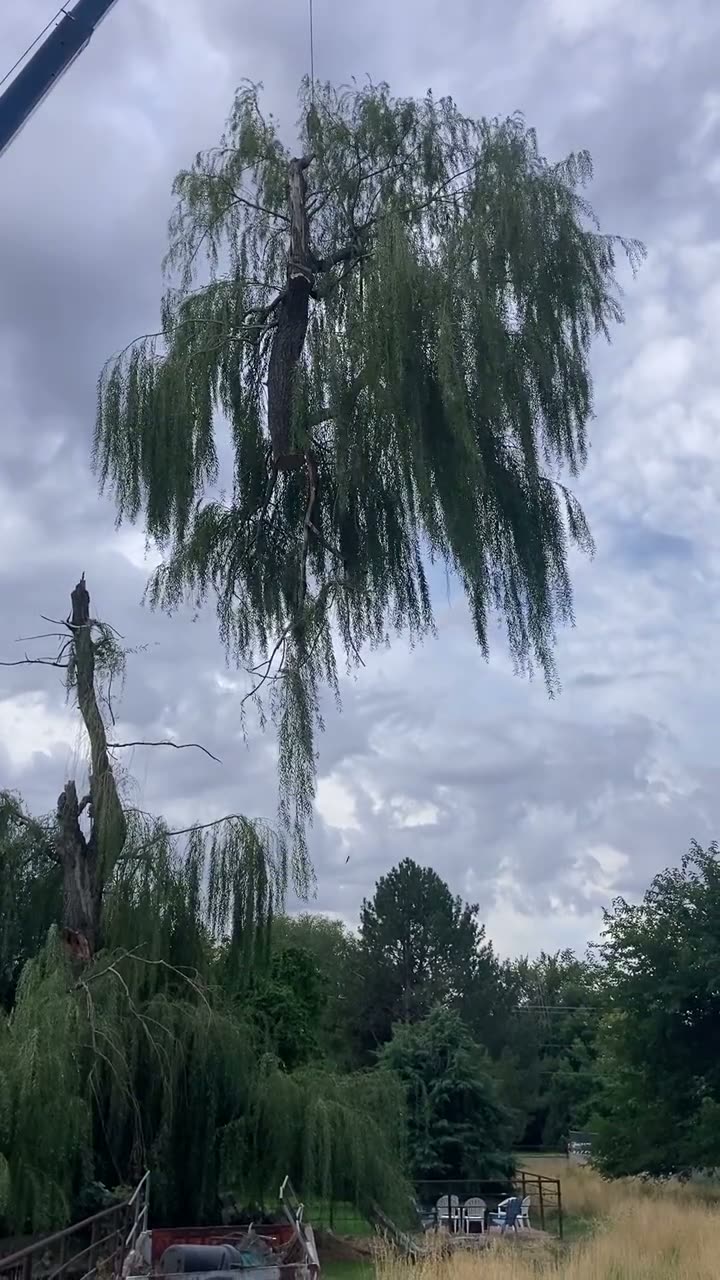
Growing trees along the Wasatch Front comes with a unique set of challenges. Between our heavy clay and alkaline soils, hot and dry summer stretches, freezing winters, and sudden canyon winds rushing down the mountains, not every tree thrives without a little help. If you walk through neighborhoods in Clearfield, Layton, or Kaysville, you will notice certain species planted again and again. Each brings something distinct to a yard, but each also comes with behavioral quirks that every homeowner should understand.
Maples are among the most common shade trees across Davis and Weber Counties. Norway maples and silver maples in particular have been planted for decades because they grow relatively fast and provide dense summer shade. However, silver maples are notorious for developing brittle wood and aggressive, shallow root systems that can lift sidewalks and invade garden beds. In high winds or early fall snowstorms, their long, heavy limbs are often the first to snap. Regular, proactive trimming and pruning helps manage their canopy weight and reduces the risk of major branch failure over your roof or driveway.
Flowering pears, including Bradford and Chanticleer varieties, line streets and front yards throughout newer subdivisions in Syracuse and Roy. Homeowners love them for their neat, rounded shape and stunning white blossoms each spring. The trouble with ornamental pears lies in their branch structure. They tend to grow multiple upright stems with very tight branch angles. As the tree matures, these attachment points weaken under their own weight. A single heavy, wet Utah snowstorm can cause a mature pear to split cleanly down the trunk, often requiring emergency storm cleanup or complete tree removal.
Colorado blue spruce and Austrian pines are staple evergreens throughout Ogden and surrounding areas, favored for year-round color, privacy screens, and wind protection. While hardy, blue spruces often outgrow the compact spaces homeowners put them in. As they mature, lower branches naturally begin to die back if they do not receive adequate sunlight, and our dry summer conditions can leave them vulnerable to spider mites. Conifers also catch a massive amount of snow. When dense evergreen boughs get weighed down, they can break or cause the whole tree to lean, making large tree work necessary to keep them safe and structurally sound.
Quaking aspens are another frequent sight in local yards, planted by folks looking to bring a piece of the Utah mountains down into the valley. While beautiful with their pale bark and fluttering leaves, aspens struggle in urban lowlands. They prefer cooler, acidic soils and lots of moisture. In the valley heat, aspens become stressed quickly, which opens the door to fungal leaf spots, trunk cankers, and boring insects. They also reproduce through root suckering, meaning one planted aspen can quickly send up dozens of shoots across your lawn. If you have aspens, expect a shorter lifespan than they would have in the mountains.
You will also find plenty of cottonwoods and Siberian elms across older properties and acreage throughout the county. These trees grow massive, provide immense shade, and tolerate harsh conditions better than almost anything else. The trade-off is high maintenance. Cottonwoods produce weak wood that sheds limbs during every gusty storm, and Siberian elms seed aggressively into flower beds and fence lines. When these large specimens begin to decline or encroach on buildings, safe tree removal paired with thorough stump grinding is usually the only practical way to reclaim your yard.
Finally, honeylocust and green ash have served as dependable street and park strip trees across northern Utah for years. Honeylocusts handle heat, poor soil, and wind exceptionally well while casting a dappled shade that still allows grass to grow underneath. Ash trees have historically offered sturdy, wide-spreading canopies, though keeping an eye on canopy thinning and removing dead interior wood is essential to help them withstand our seasonal weather shifts.
Understanding the specific habits of your yard's trees makes it much easier to catch issues before they turn into expensive hazards. Whether you are dealing with storm damage, need seasonal canopy thinning, require help with land clearing, or simply want an honest evaluation of a mature tree on your property, Jerid's Tree Service is here to help. Based right here in Clearfield, our family-run team works across Davis and Weber Counties every day. Give us a call or send a text anytime to schedule a free, no-pressure quote for your property.
- What to Expect from Stump Grinding: A Guide for Utah Homeowners
- Summer Tree Care in Utah: Watering, Mulch, and Soil Health Tips
- Trimming vs. Removal: How to Know What Your Utah Tree Needs
- How Utah Windstorms Damage Yard Trees (And How to Protect Them)
- A Utah Homeowner's Guide to Seasonal Tree Care and Warning Signs
- The Hidden Dangers of Leaving an Unsafe Tree Standing Near Your Home
Call or text for a free quote or emergency tree service across Davis and Weber Counties.
Call 801-513-3460Get a free, no-pressure quote
We'll come look at the tree, tell you honestly what it needs, and give you a firm price. Call or text today.